
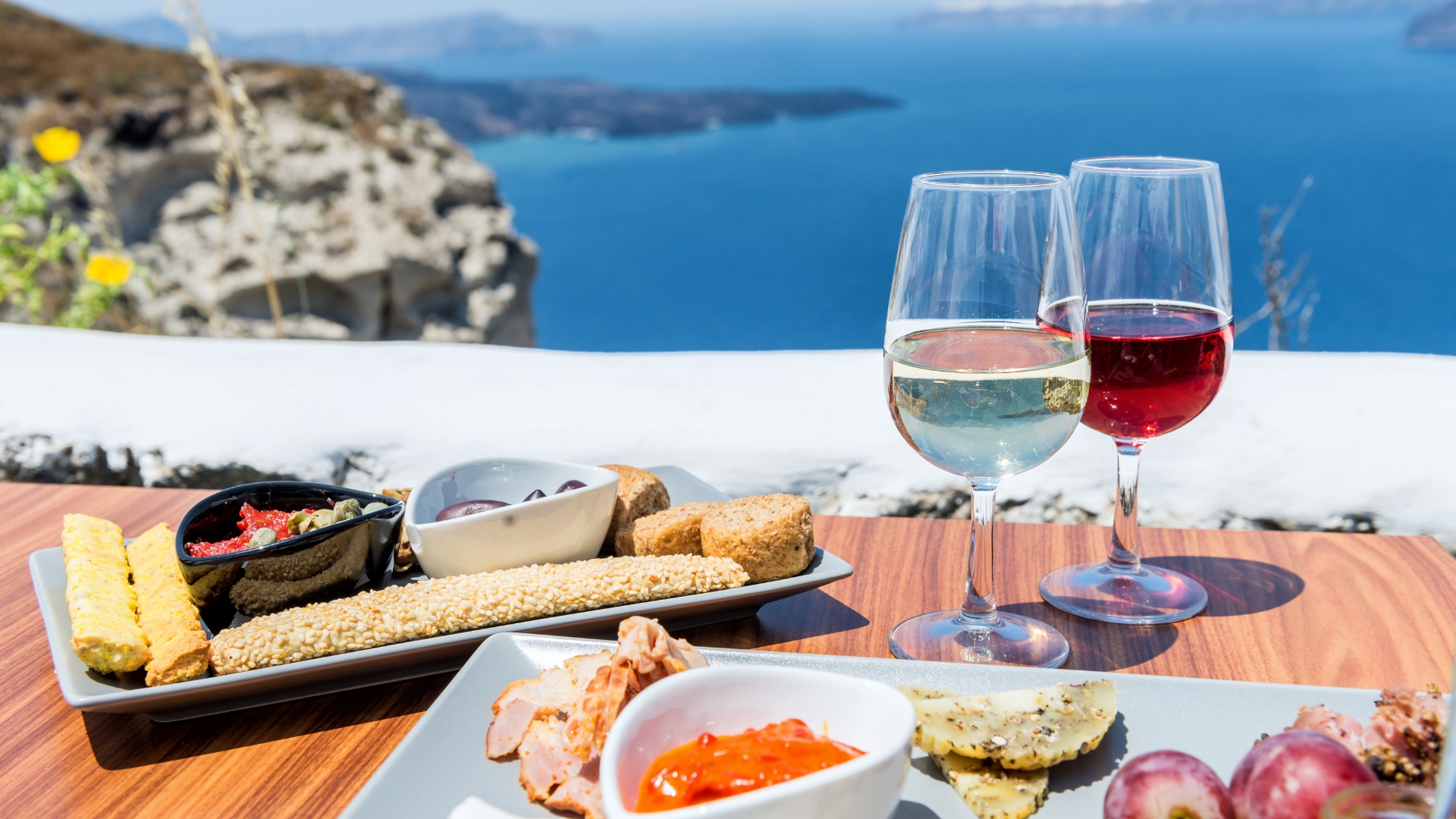
When “quality of life” parameters are examined worldwide, one of the decisive factors is always dietary habits and access to quality food. In this context, Greece is the host of one of the world’s most established and sustainable health models.
Greek cuisine expresses much more than the food put on the plate; it is the embodiment of history, geography, and the “Eu Zeyn” (Good Life) philosophy. This gastronomic culture, located at the heart of the Mediterranean Diet, which is registered as the Intangible Cultural Heritage of Humanity by UNESCO, proves to the whole world that nutrition is not just a consumption, but also a “social capital.”
In this analysis, we take a closer look at the gastronomic power of Greece, its promise of healthy life, and the high standards offered by this cuisine:
1. The Splendor of Simplicity: Raw Material and Quality Standards
The secret of the global success of Greek cuisine is not complex sauces or over-processed techniques, but the deep respect felt for the raw material. This geography has an ecosystem that prioritizes quality in agricultural production and has been implementing sustainability for centuries as a natural flow.
Liquid Gold: Extra Virgin Olive Oil (EVOO): Greece is one of the world’s top producers of high-quality extra virgin olive oil. Here, olive oil is not just a cooking tool, but the source of life and an elixir of health. This high standard reaching the consumer’s table is the combination of the land’s abundance with traditional pressing methods.
Protected Designation of Origin Products (PDO): From Feta cheese to Chios mastic, from Kalamata olives to Cretan honey, Greece has hundreds of products registered under European Union standards. This means the protection of local production and the guarantee of the quality offered to our guests.
If you can smell a tomato you buy from a market shelf or a neighborhood market (Laiki Agora) in a country, the living standards in that country are at the highest level on the axis of “naturalness.”
2. The Crete Paradox and Blue Zones: The Secret of Longevity
For those planning for the future and seeking quality of life, one of the most important metrics is “health and longevity.” Greece is accepted as one of the most important laboratories of the medical world in this regard.
Crete Paradox: The phenomenon known by this name in the scientific world documents how low cardiovascular diseases and chronic ailments are in the region, despite the high fat consumption (entirely sourced from olive oil) of the people of Crete.
Ikaria: “The Island Where People Forget to Die”: Ikaria Island in the Aegean is one of only 5 “Blue Zones” in the world. The secret of the healthy lives of people over 90 and 100 years old here is hidden in their nutrition with fresh vegetables, wild herbs, seasonal seafood, and a social structure away from stress.
Eating with Greek cuisine is the most valuable investment you can make for your body and your future. The settled life here offers you the diet prescribed by modern medicine as a natural rhythm of life.
3. “Taverna” Culture as a Social Institution
In Greece, gastronomy is the cement of the social structure. Eating is a ritual of socialization and sharing, beyond a biological act.
Sharing Economy: “Meze”s coming to the Greek table are served not on personal plates, but to be shared in the middle of the table. This culture reflects a sharing and warm social structure, away from individualism.
Slowing Down Time (Slow Living): From business meals to family meetings, Greek tables are never rushed. This situation is the clearest indicator of the life tempo (Slow Living) that prioritizes human values away from stress. These tables, lasting until late at night in safe streets where joyful laughter is not missing, are the mirror of a peaceful life.
4. Regional Diversity: A New Discovery at Every Corner
It is impossible to collect Greek cuisine under a single heading; for the country has a gastronomic map as rich as its geographical diversity.
Cyclades and the Aegean: Dried tomatoes carrying the salt of the sea, capers, and minimalist seafood plates.
Northern Greece (Macedonia & Thrace): Recipes where spices are used more generously, Balkan and Anatolian influences are felt, and which have gastronomic depth.
Ionian Islands: Kitchens where Italian and Venetian influence is felt, spicy stews (Pastitsada) and sophisticated tastes come to the fore.
This diversity offers those living in the country a new area of experience to be discovered at all times.
5. Modern Greek Gastronomy: From Tradition to the Future
Greece draws attention not only with its traditional tavernas but also with its rise in the modern gastronomy scene. In metropolises like Athens and Thessaloniki, Michelin-starred chefs interpreting traditional recipes with modern techniques and “Fine Dining” restaurants represent the innovative and visionary face of the country.
This development clearly shows the service sector capacity of the country that follows global trends and appeals to high purchasing power and refined tastes.
Conclusion: More Than a Flavor, a Standard of Living
Greek cuisine is the combination of the earth’s honesty, the sea’s abundance, and human joy. This cuisine is not a temporary trend, but a cumulative wisdom of thousands of years. Sitting at a table here does not only mean satisfying your hunger; it means putting naturalness, health, and social peace at the center of your life.
These gastronomic privileges offered by Greece are the most concrete proof of the country’s general quality of life. For those who want to enjoy a peaceful and healthy life at world standards, the table is always ready on this side of the Aegean.Enjoy your meal, or as the neighbor says: Kali Oreksi!


